
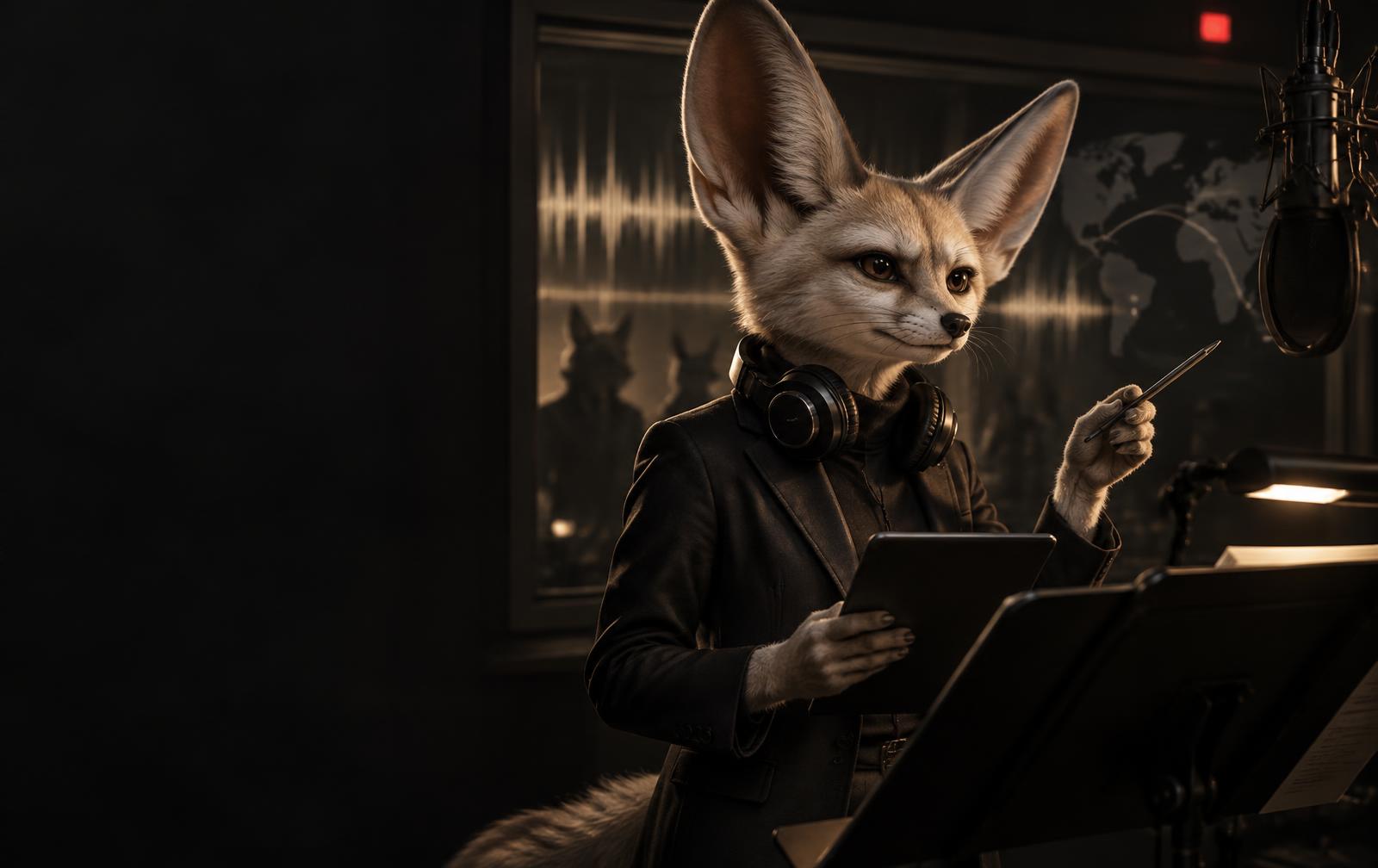
Mascot localization · 5 min · Echo: Language director
Localising a character, not a script
Translated advertising fails for reasons that have nothing to do with vocabulary.
Literal translation keeps the words and loses the meaning
A US home-service ad is full of assumptions: how people talk about warranties, what a fair price sounds like, how directly a company can ask for the sale, what a neighbour interaction looks like. Translate it word for word into German or Spanish and the words are correct while the behaviour is wrong.
The result reads as foreign, which is the opposite of what a local service business wants.
01
Identity
02
Direction
03
Continuity
What actually has to change
Dialogue rewritten for how people in that market speak. Cultural references replaced, not explained. Currency, units, dates and spelling conventions corrected. Calls to action matched to local buying behaviour. Regional terminology for the trade itself.
And the voice re-cast to the same age, energy and humour rather than the same literal tone.
A character compounds only when the next appearance still belongs to the same identity.
What must not change
The character. Same face, same wardrobe, same personality, same rules. The point of a brand character is that it is recognisable across every surface it appears on, including borders.
This is what the product does, in practice.
Bring an existing mascot or begin with a new character. The identity, direction, production, and history stay connected.
Create your character