
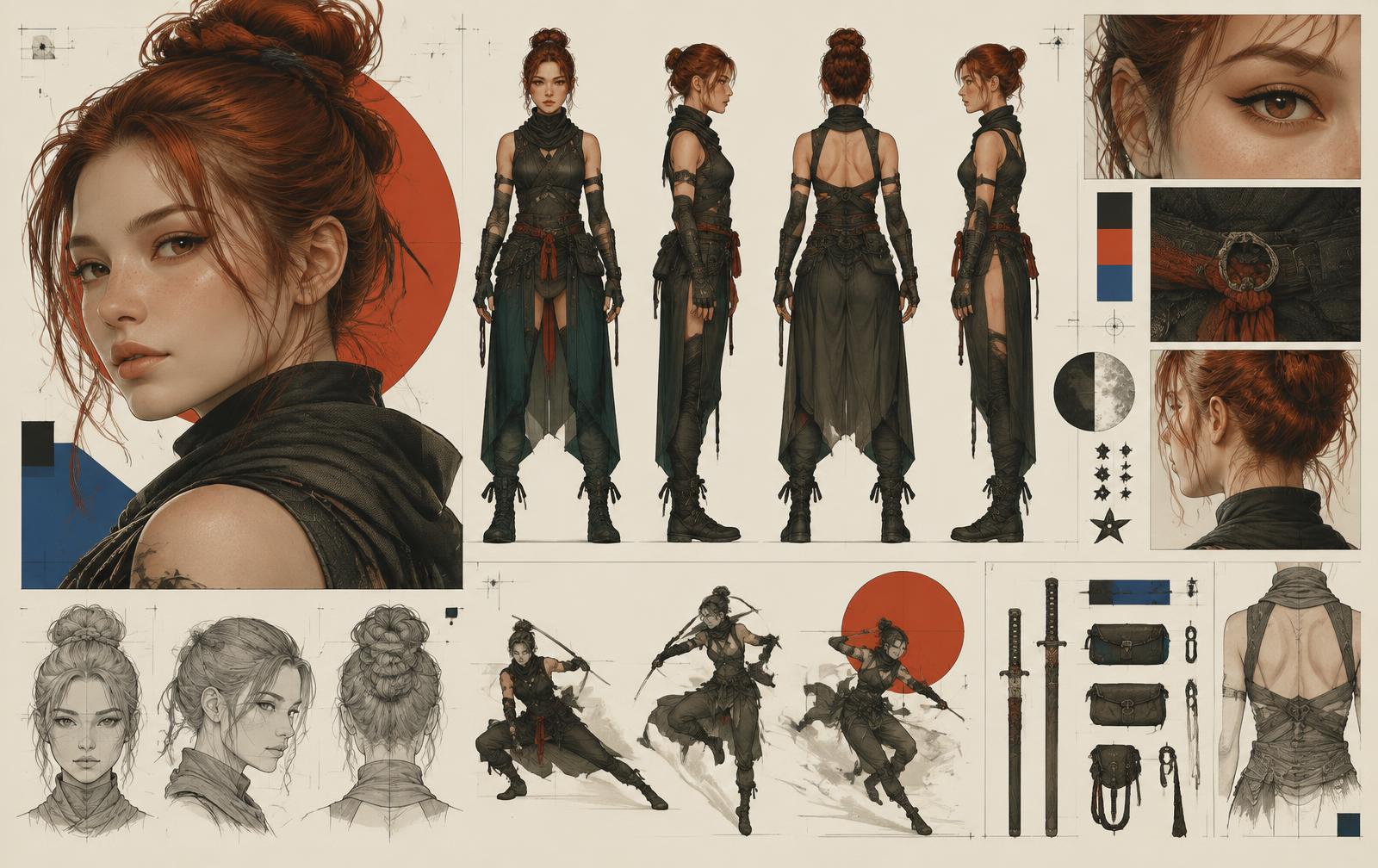
Virtual Characters · 8 min · Aiko: Virtual character study
Who owns a virtual brand character?
A virtual human needs a rights structure, identity system, and production record as deliberate as its face.
A face is not an ownership model
A striking digital person can still be unusable if the brand cannot explain the source material, performer permissions, voice terms, music rights, or permitted markets.
Ownership starts with documentation. The visual identity, approved references, agreements, and usage conditions must travel with the character.
01
Identity
02
Direction
03
Continuity
Separate identity from each performance
The character identity should remain stable while campaigns, voices, and production partners change. That requires a fixed Character Core and clear records for every performance layer.
When those layers are mixed together, one expired agreement can put the whole character on hold.
A character compounds only when the next appearance still belongs to the same identity.
Build for a handoff
A useful virtual character can move between internal teams, agencies, and production partners without being reinvented.
The test is simple: could a new director understand the face, voice, behavior, and boundaries without guessing?
This is what the product does, in practice.
Bring an existing mascot or begin with a new character. The identity, direction, production, and history stay connected.
Create your character